EN
EN

Ikkinchi jahon urushidagi bog'liqlik
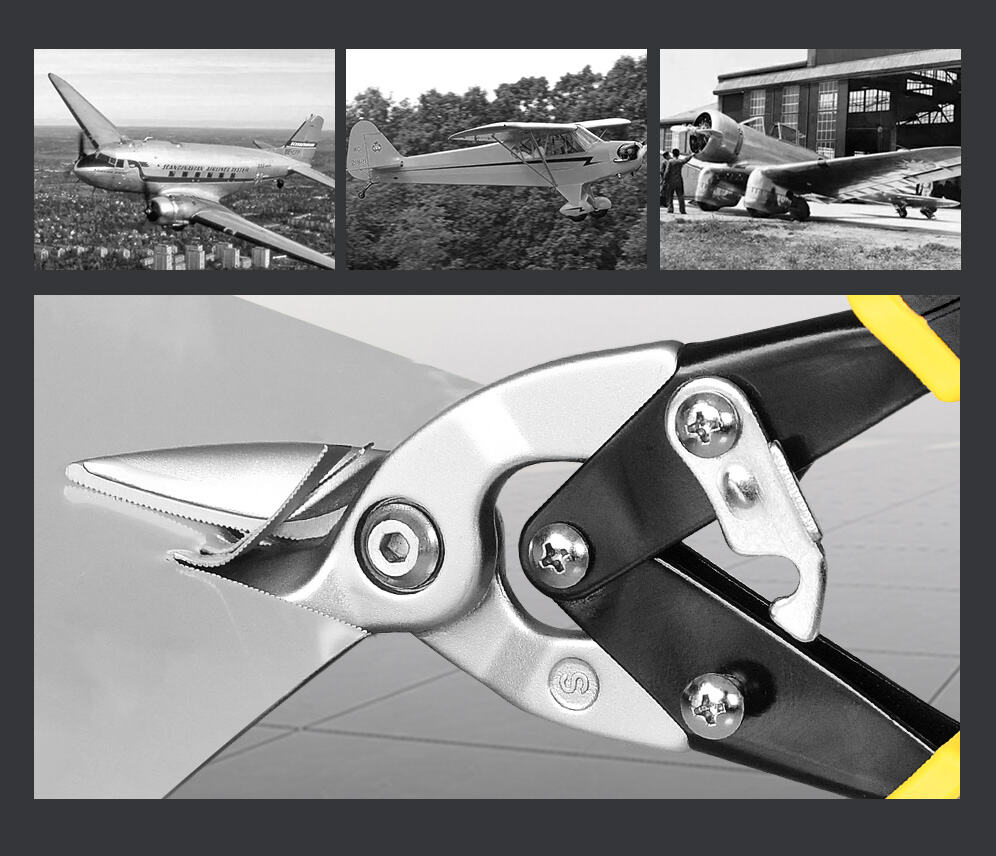
"Aviatsiya" so'zi aviatsiya qisqichlarida marketing g'azallari emas—bu haqiqiy tarixiy kelib chiqishni aks ettiradi. Ikkinchi jahon urushida samolyotlar ishlab chiqarish va ularga texnik xizmat ko'rsatish uchun fuselyajlarni ta'mirlash va o'zgartirishda ingichka aluminiy varaqalarni aniq kesish talab qilindi. An'anaviy qo'lda ishlatiladigan qisqichlar bu qattiq talablarga javob berish uchun yetarli kuchlanish va boshqaruv qobiliyatiga ega emasdi. Muhandislarning ishlab chiqqan murakkab kuchlanish mexanizmi zamonaviy aviatsiya qisqichlarining asosini tashkil etdi va mexaniklarga samolyotlar bilan ishlash uchun kerak bo'lgan kuch va aniqlikni ta'minladi. nomi shu merosni hurmat qiladi, hatto bu asboblar aviatsiyadan tashqari sohalarda ham qo'llanila boshlaganida ham.
Ajoyib kesish quvvati
Aksariyat foydalanuvchilar sifatli aviatsiya qayshisi qanday materiallarni kesishini kam baholaydi. Bizning iNEWDAY brendining standart 10 dyuymlik modeli bitta o'tishda 1,5 mm qalinlikdagi sovutilgan po'latni kesib tashlay oladi. Bu qalinlikni tushunish uchun: bu taxminan oltita aluminiv qo'shimcha idishlar qalinligiga teng. Bu imkoniyat murakkab kuchlanish tizimidan kelib chiqadi, ya'ni qo'l kuchi sezilarli darajada ko'paytiriladi. Issiqlikka ishlov berilgan Cr-Mo po'latdan yasalgan bizning pichaklarimiz 30 000 dan ortiq operatsiyadan keyin ham kesish samaradorligini saqlab turadi va shuning uchun ular professional, kunlik ishlatish uchun ishonchli vositalardir.
Xitoyning ishlab chiqarish hajmi
Global uskuna asboblari sanoati xitoy ishlab chiqarishiga keng qamrovli tayanadi. Sanoat statistikasi Xitoy ishlab chiqaruvchilari dunyodagi uskuna asboblarning 70% dan ortig‘ini ishlab chiqarishini ko‘rsatadi. Jiangsu provinsiyasida joylashgan Zhangjiagang shahri Xitoyning muhim kesuvchi asboblar ishlab chiqarish markazlaridan biridir. Tianxin Tools 2003-yildan beri bu joyda faoliyat yuritib kelmoqda va mintaqaning ishlab chiqarish infratuzilmasi hamda malakali ishchi kuchi imkoniyatlaridan foydalanmoqda. Bugun biz aviatsiya qisqichlarimiz, qalay qisqichlarimiz, sim uzatish qisqichlarimiz va VDE izolyatsiyalangan asboblarimizni Yevropa, Shimoliy Amerika va Avstraliya bo‘ylab 30 dan ortiq mamlakatga eksport qilamiz; bu yerda biz OEM mijozlar hamda distribyutorlarga xizmat ko‘rsatamiz.
Nima uchun uchta variant mavjud?
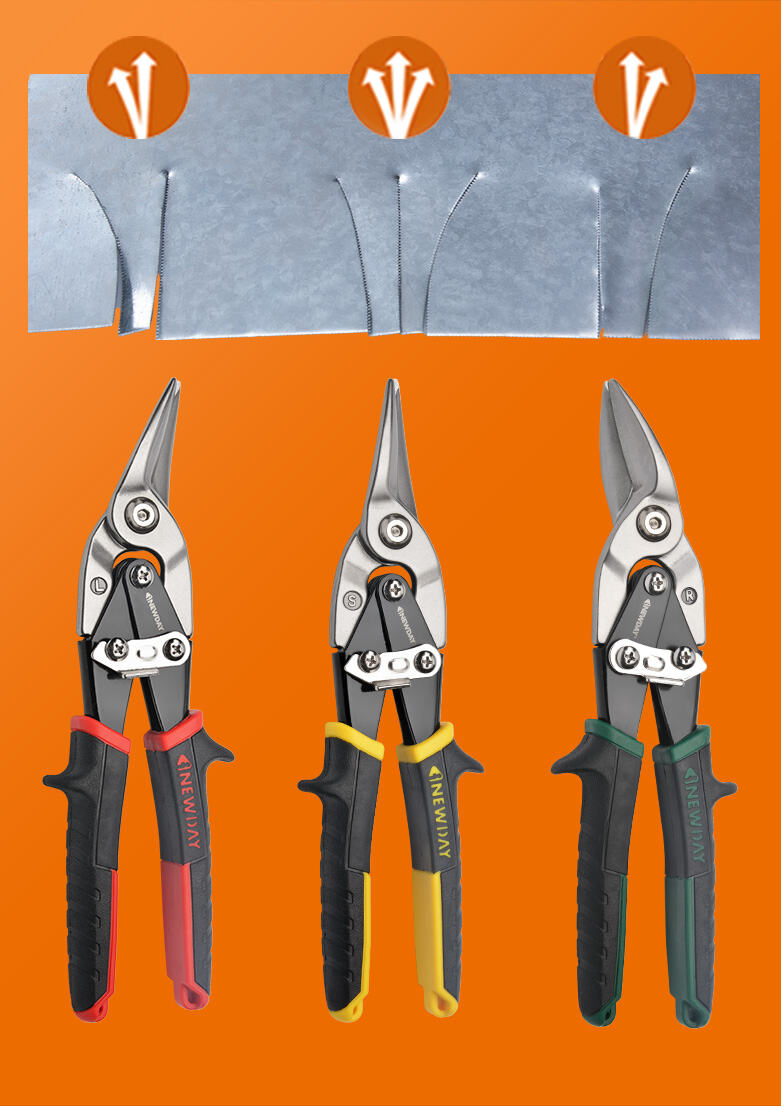
Professional texniklar va jiddiy DIY muxlislari ko'pincha chapga kesadigan, o'ngga kesadigan va to'g'ri kesadigan aviatsiya qayshilari bilan ta'minlangan—ularni yig'ilma maqsadlari uchun emas, balki har bir variantning o'ziga xos funksional ehtiyojlarni qondirish qobiliyati tufayli saqlashadi. Chapga kesadigan qayshilar o'ngdan chapga egri chiziqlarni kesishda a'lo natija beradi va shu sababli soat strelkasi yo'nalishidagi egri chiziqlarni kesish uchun idealdir. O'ngga kesadigan qayshilar aksincha, teskari yo'nalishda ishlaydi. To'g'ri qayshilar esa o'zlarining parallel kesuvchi qismlariga ega bo'lganligi tufayli eng tozalikdagi chiziqli kesmalarni ta'minlaydi. Bu farqlarga tushunish foydalanuvchilarga har bir vazifa uchun eng mos asbobni tanlash imkonini beradi, bu esa qo'l charchashini kamaytiradi va kesish sifatini oshiradi.
Xulosa
Bu ko'p funksiyali asboblar o'zlarining oddiy ko'rinishlariga qaramay, ko'proq tarix va muhandislik murakkabligini o'z ichiga oladi. Siz professional quruvchi bo'lsangiz yoki dam olish kunlarida ishlaydigan ustaxonada ishlovchi bo'lsangiz ham, o'z asboblaringizni tushunish ishingizni yaxshilaydi. Tianxin Tools kompaniyasida biz ushbu asboblar merosiga bo'lgan hurmatimizni zamonaviy ishlab chiqarish imkoniyatlari bilan birlashtirib, professional standartlarga javob beradigan, lekin jiddiy hobbidoşlar uchun ham qulay bo'ladigan aviatsiya qayshilari ishlab chiqaramiz.
OEM so'rovlari, maxsus brendlash yoki partiyali buyurtmalar bo'yicha bizning jamoamizga murojaat qiling. Biz o'nlab brendlar uchun kesish asboblari liniyalarini bozorga chiqarishda yordam berganmiz.
Elektron pochta manzili: [email protected]
Veb-sayt: https://www.tianxintools.com/
#AviationSnips #KesishAsboblari #MetalIshlovBerish #OEM #IshlabChiqarish #TianxinTools #iNEWDAY