EN
EN

Understanding the Essential Role of Pincers in Professional Work
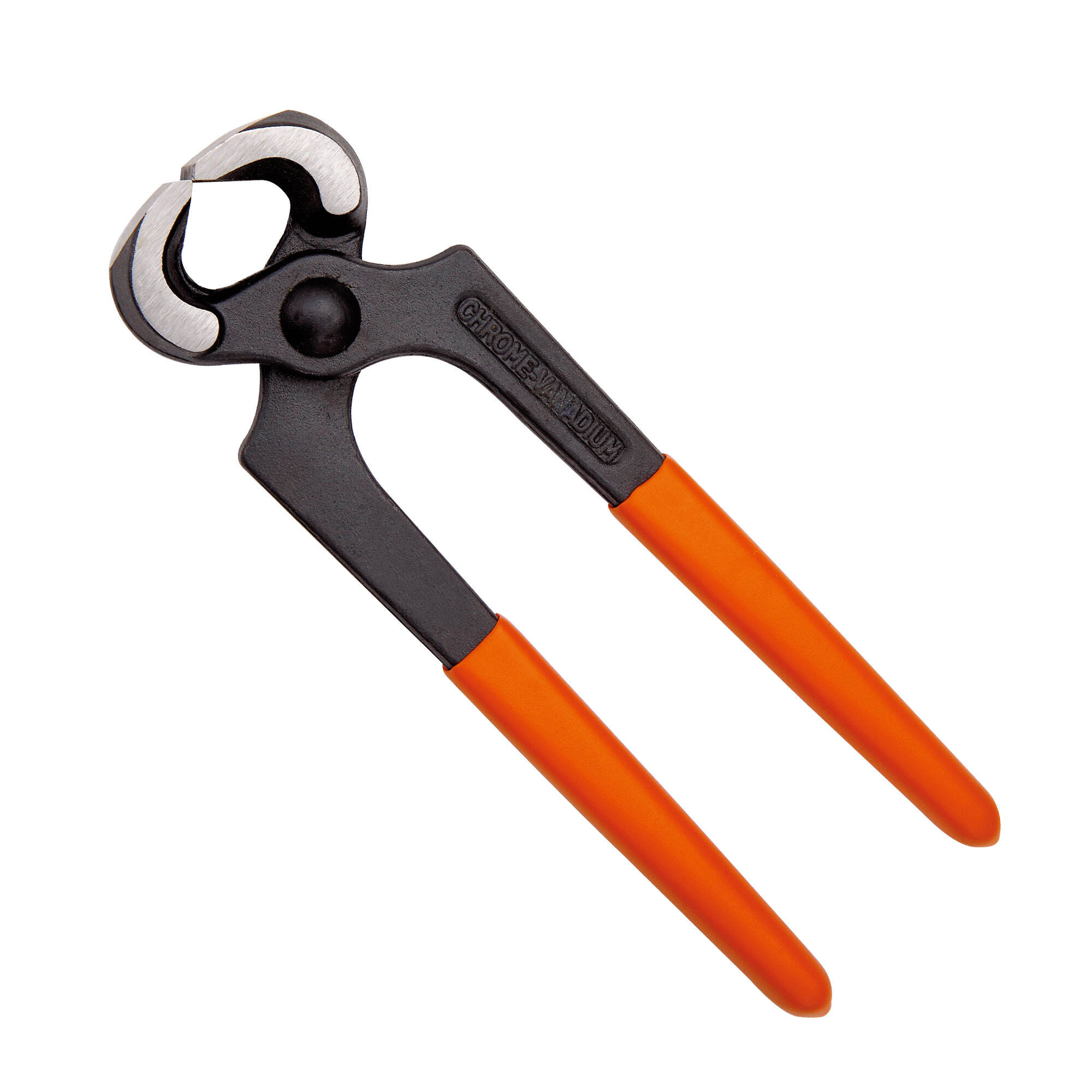
Pincers represent one of the most fundamental yet versatile tools in any craftsperson's arsenal. Whether you're a professional technician, DIY enthusiast, or industrial worker, selecting the right pincers can significantly impact your work quality and efficiency. These precision instruments serve multiple purposes, from gripping and pulling to cutting and manipulating materials, making them indispensable across various industries.
The journey to mastering pincers begins with understanding their diverse applications and unique characteristics. Each type of pincers is engineered with specific features that make them ideal for particular tasks. From the robust construction of industrial-grade pincers to the precise tips of jeweler's tools, every detail serves a purpose in enhancing performance and reliability.
Types of Pincers and Their Specialized Applications
End-Cutting Pincers
End-cutting pincers excel in applications requiring precise cutting at tight angles. These tools feature hardened cutting edges positioned at the tip of the jaws, making them perfect for trim work and nail removal. The design allows users to access confined spaces while maintaining optimal leverage for clean cuts.
Professional craftsmen often rely on end-cutting pincers when working with finishing details or performing demolition tasks. The tool's ability to get flush with surfaces while cutting makes it invaluable for woodworking, flooring installation, and general construction work.
Carpenter's Pincers
Carpenter's pincers are designed with robust jaws and integrated nail-pulling features. These versatile tools combine gripping strength with extraction capabilities, making them essential for woodworking and construction projects. The wide jaw design provides excellent stability when pulling nails or staples from various materials.
The distinctive feature of carpenter's pincers lies in their compound leverage system, which multiplies the user's hand strength for easier nail extraction. This design reduces strain during repetitive tasks and ensures consistent performance throughout long workdays.
Material Considerations and Quality Markers
High-Carbon Steel Construction
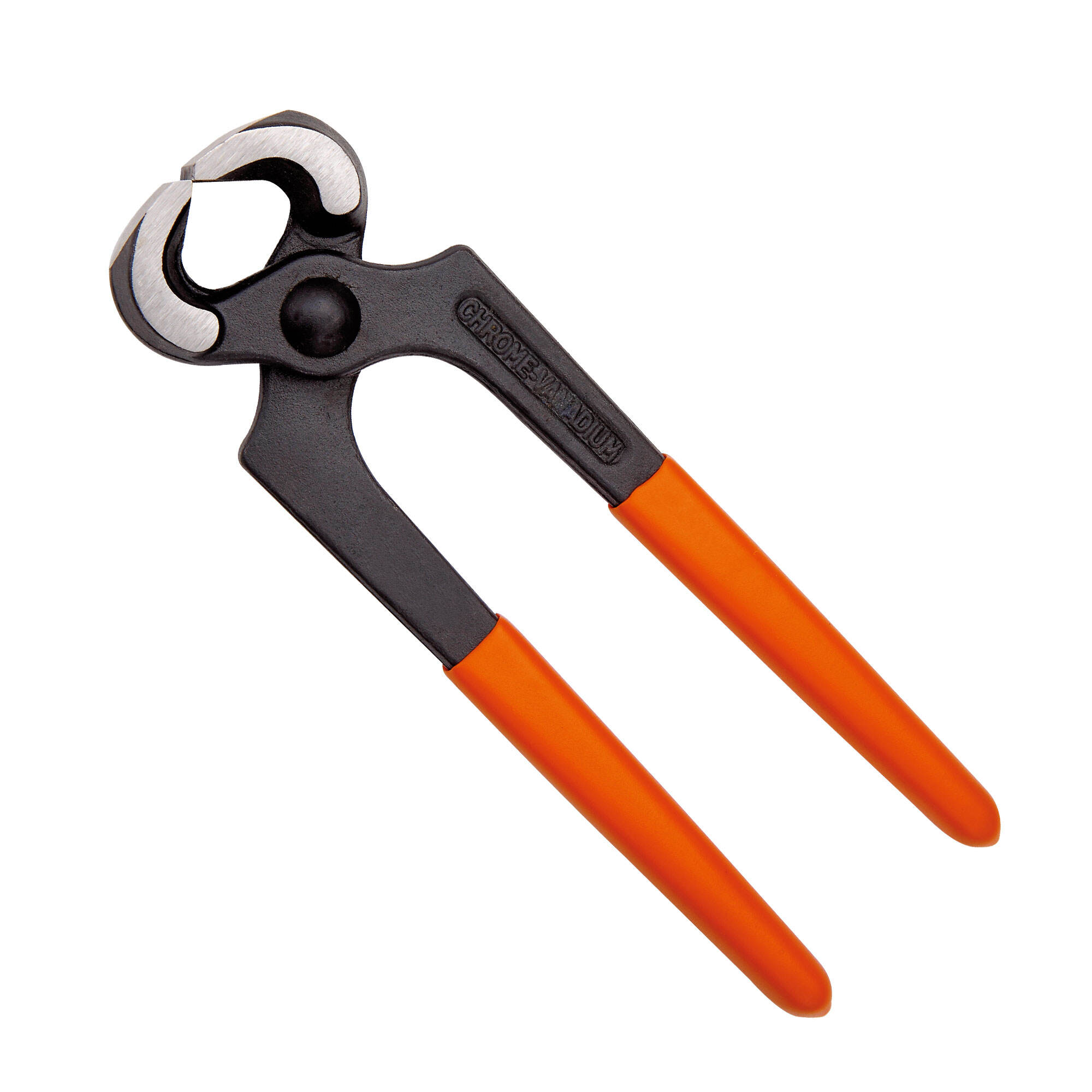
Premium pincers typically feature high-carbon steel construction, offering superior durability and edge retention. This material choice ensures the tools maintain their effectiveness even under heavy use conditions. The carbon content influences the hardness and wear resistance of the cutting edges and gripping surfaces.
When evaluating pincers, look for those with proper heat treatment processes that optimize the steel's properties. This treatment creates a balance between hardness for cutting performance and toughness to prevent brittle failure under stress.
Surface Treatments and Coatings
Modern pincers often incorporate advanced surface treatments that enhance their longevity and performance. Chrome plating or phosphate coatings protect against corrosion while providing smooth operation. Some manufacturers apply specialized non-slip coatings to handle areas, improving grip security during use.
The quality of these protective layers significantly impacts tool maintenance requirements and long-term reliability. Superior coatings resist chipping and peeling, maintaining both function and appearance throughout the tool's service life.
Ergonomic Design Features
Handle Configuration
The ergonomic aspects of pincers play a crucial role in user comfort and work efficiency. Handle length and shape affect leverage capabilities and control during precise operations. Manufacturers often incorporate cushioned grips or contoured surfaces to reduce hand fatigue during extended use.
Professional-grade pincers typically feature handles designed to accommodate various hand sizes and working positions. The balance point and weight distribution are carefully engineered to minimize strain while maximizing control and force application.
Jaw Geometry
The jaw design of pincers significantly influences their functionality and application range. Precision-ground faces ensure secure gripping without damaging workpiece surfaces. The angle and profile of cutting edges affect both the force required and the quality of cuts produced.
Advanced jaw geometries may include specialized serrations or compound curves that enhance gripping capability while reducing the effort needed for various tasks. These features contribute to both work quality and user comfort.
Maintenance and Care Guidelines
Cleaning and Storage
Proper maintenance of pincers ensures their longevity and reliable performance. Regular cleaning after use prevents material buildup that could affect joint movement or cutting efficiency. A light application of protective oil helps prevent rust formation and maintains smooth operation.
Store pincers in a dry environment, preferably in a tool roll or case that prevents contact with other tools. This protection helps maintain cutting edges and prevents damage to surface treatments.
Performance Monitoring
Regular inspection of pincers helps identify wear or damage before it affects work quality. Check for signs of misalignment, loose joints, or damaged cutting edges that might require professional attention or tool replacement.
Maintain records of tool usage and performance to anticipate maintenance needs and plan replacements. This proactive approach helps prevent work delays and ensures consistent quality standards.
Frequently Asked Questions
What are the key differences between carpenter's and end-cutting pincers?
Carpenter's pincers are optimized for nail extraction and general gripping tasks, featuring wider jaws and integrated nail-pulling features. End-cutting pincers, in contrast, specialize in precise cutting operations with hardened edges positioned at the tip, making them ideal for trim work and detailed cutting tasks.
How often should professional-grade pincers be replaced?
The replacement interval for professional-grade pincers depends on usage intensity and maintenance practices. With proper care and regular maintenance, quality pincers can last several years of professional use. However, immediate replacement is recommended if significant wear, joint looseness, or edge damage is observed.
What features should I prioritize when selecting pincers for daily professional use?
When choosing pincers for daily professional use, prioritize high-carbon steel construction, quality surface treatments, ergonomic handle design, and appropriate jaw configuration for your specific applications. Consider the tool's weight, balance, and leverage characteristics to ensure comfortable extended use.