EN
EN

Professional craftsmen and DIY enthusiasts alike understand the critical importance of having the right cutting tools in their arsenal. Among the essential hand tools that bridge the gap between precision and power, snips stand out as versatile instruments that deliver clean, accurate cuts across various materials. Whether you're working with sheet metal, fabric, or other flexible materials, the quality and design of your cutting tool can make or break your project's success.
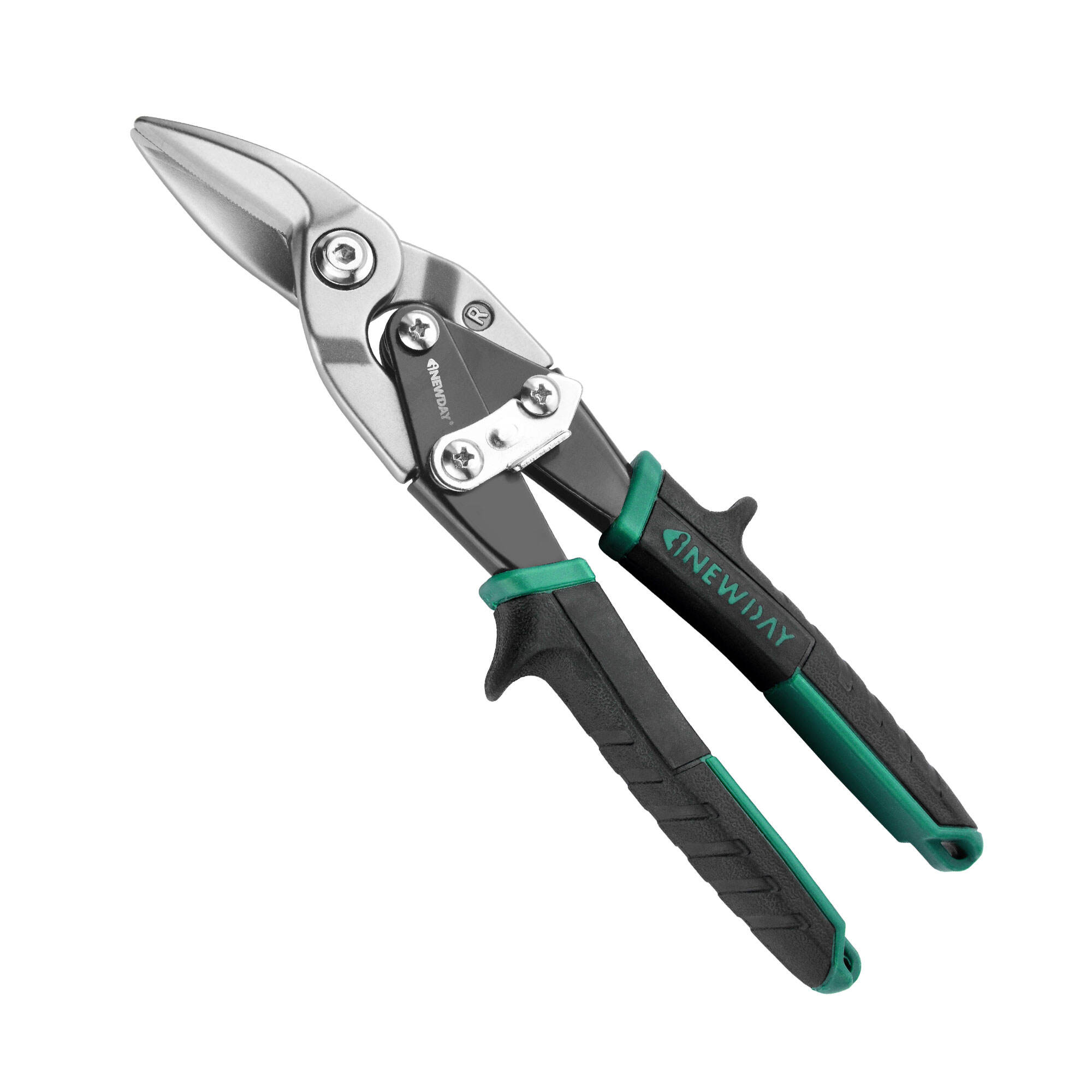
The evolution of cutting tools has brought us sophisticated designs that combine ergonomics with functionality. Modern professionals demand tools that not only perform consistently but also reduce fatigue during extended use. This is where high-quality snips prove their worth, offering superior leverage, precision control, and durability that standard scissors simply cannot match.
Understanding the Mechanics Behind Professional Cutting Tools
Blade Design and Material Technology
The foundation of any exceptional cutting tool lies in its blade construction and material selection. Premium snips feature hardened steel blades that maintain their sharp edge through countless cutting cycles. The blade geometry is specifically engineered to provide optimal cutting angles, ensuring clean cuts without material distortion or excessive force requirements.
Advanced manufacturing processes involve precise heat treatment that creates the perfect balance between hardness and flexibility. This metallurgical precision prevents blade chipping while maintaining the sharp cutting edge that professionals depend on. The blade profile is carefully designed to minimize friction during cutting, allowing for smoother operation and reduced hand fatigue.
Leverage Mechanisms and Force Distribution
Professional-grade cutting tools incorporate sophisticated leverage systems that amplify the user's input force. The handle length and pivot point positioning are mathematically calculated to provide maximum mechanical advantage. This engineering approach means that users can cut through challenging materials with significantly less effort than traditional cutting implements.
The force distribution across the cutting surface is another critical factor that distinguishes quality snips from inferior alternatives. Well-designed tools distribute cutting pressure evenly along the blade edge, preventing material deformation and ensuring consistent cut quality throughout the tool's operational life.
Material Versatility and Application Range
Sheet Metal and Metalworking Applications
In metalworking environments, precision cutting tools are indispensable for shaping and sizing various metal sheets and thin plates. Quality snips excel in cutting aluminum, copper, brass, and mild steel sheets with thicknesses up to several millimeters. The clean cuts produced by professional tools eliminate the need for secondary finishing operations in many applications.
HVAC technicians particularly value these tools for ductwork fabrication and installation. The ability to make precise straight cuts and gentle curves in sheet metal saves time and ensures proper fit during installation. The ergonomic design allows technicians to work in confined spaces while maintaining cutting accuracy and control.
Textile and Fabric Cutting Excellence
Beyond metalworking, these versatile tools demonstrate exceptional performance in textile applications. Fashion designers, upholsterers, and fabric artists rely on precision cutting instruments to achieve clean edges without fraying or pulling threads. The sharp blade geometry slices through multiple fabric layers simultaneously while maintaining consistent cutting lines.
Industrial textile applications benefit from the durability and consistency that professional cutting tools provide. In manufacturing environments where thousands of cuts are made daily, tool reliability becomes paramount. The robust construction ensures consistent performance throughout extended production runs.
Ergonomic Design Features for User Comfort
Handle Geometry and Grip Optimization
Modern cutting tools prioritize user comfort through advanced ergonomic design principles. The handle shape is contoured to fit naturally in the user's hand, reducing pressure points and hot spots that can develop during extended use. Non-slip grip surfaces provide secure tool control even when working with gloves or in challenging environmental conditions.
The spacing between handle loops is optimized for average hand dimensions while accommodating users with varying hand sizes. This inclusive design approach ensures that the tool remains comfortable and functional for a broad range of users, from professional tradespeople to occasional DIY enthusiasts.
Fatigue Reduction Technologies
Professional cutting tools incorporate several design elements specifically aimed at reducing user fatigue. Spring-loaded mechanisms assist with handle opening after each cut, reducing the repetitive strain associated with continuous cutting operations. The smooth pivot action minimizes friction and binding that can cause hand cramping during extended use.
Weight distribution is carefully balanced to prevent wrist strain while maintaining the tool's cutting power. The center of gravity is positioned to feel natural in the user's hand, reducing the muscular effort required to control the tool during precise cutting operations.
Durability and Maintenance Considerations
Construction Quality and Longevity
Investment in quality cutting tools pays dividends through extended service life and consistent performance. Premium snips feature robust pivot mechanisms that resist wear and maintain proper blade alignment throughout their operational life. The joint construction utilizes precision bearings or bushings that ensure smooth operation even after thousands of cutting cycles.
Corrosion resistance is built into quality tools through appropriate material selection and surface treatments. Stainless steel components and protective coatings prevent rust and corrosion that can compromise tool performance and longevity. This attention to durability makes professional tools suitable for demanding work environments and varying weather conditions.
Maintenance Requirements and Best Practices
Proper maintenance ensures that cutting tools continue delivering optimal performance throughout their service life. Regular cleaning removes debris and contaminants that can interfere with smooth operation. Periodic lubrication of pivot points maintains the smooth action that users expect from quality tools.
Blade sharpening services can restore cutting performance when tools begin to show signs of dulling. However, quality snips maintain their sharp edge significantly longer than inferior alternatives, reducing the frequency of maintenance requirements and associated downtime.
Professional vs DIY User Requirements
Professional Application Demands
Professional users place unique demands on their cutting tools that go beyond occasional home use. Daily operation in challenging environments requires tools that can withstand heavy use while maintaining precision and reliability. Professional-grade snips are built to meet these demanding requirements through superior materials and construction techniques.
Professionals also value tools that enhance productivity and reduce project completion times. The efficiency gains from using properly designed cutting tools can translate into significant cost savings over time. This economic benefit justifies the investment in quality tools that might seem excessive for occasional use.
DIY Enthusiast Considerations
DIY users benefit from many of the same features that professionals value, though their usage patterns may be different. Quality cutting tools make challenging projects more accessible to amateur craftspeople by reducing the physical effort required and improving cut quality. This enhanced capability often means the difference between project success and frustration.
The safety benefits of quality tools are particularly important for DIY users who may have less experience with cutting operations. Well-designed snips provide better control and predictable behavior, reducing the risk of accidents and material waste that can occur with inferior tools.
FAQ
What materials can professional snips cut effectively
Professional snips can cut a wide variety of materials including sheet metal up to several millimeters thick, various fabrics and textiles, plastic sheets, leather, rubber gaskets, and even some composite materials. The specific cutting capacity depends on the tool's design and blade configuration, but quality snips typically handle aluminum, copper, brass, and mild steel with ease.
How do I maintain my cutting tools for optimal performance
Regular maintenance includes cleaning debris from the blades and pivot points after use, applying a light oil to moving parts periodically, and storing tools in a dry environment to prevent corrosion. Avoid cutting materials harder than the intended capacity, and have blades professionally sharpened when cutting performance begins to decline rather than forcing cuts with dull blades.
What safety precautions should I follow when using snips
Always cut away from your body and keep fingers clear of the cutting path. Wear appropriate eye protection when cutting materials that may produce flying debris. Ensure your work surface is stable and well-lit. Never use damaged tools with loose pivot points or chipped blades, and replace tools that show signs of structural damage or excessive wear.
How do professional snips differ from regular scissors
Professional snips feature heavier construction with reinforced pivot points, specialized blade geometries designed for specific materials, enhanced leverage systems for reduced cutting effort, and ergonomic handles designed for extended use. The blade materials and heat treatment processes are also superior, providing better edge retention and overall durability compared to standard household scissors.